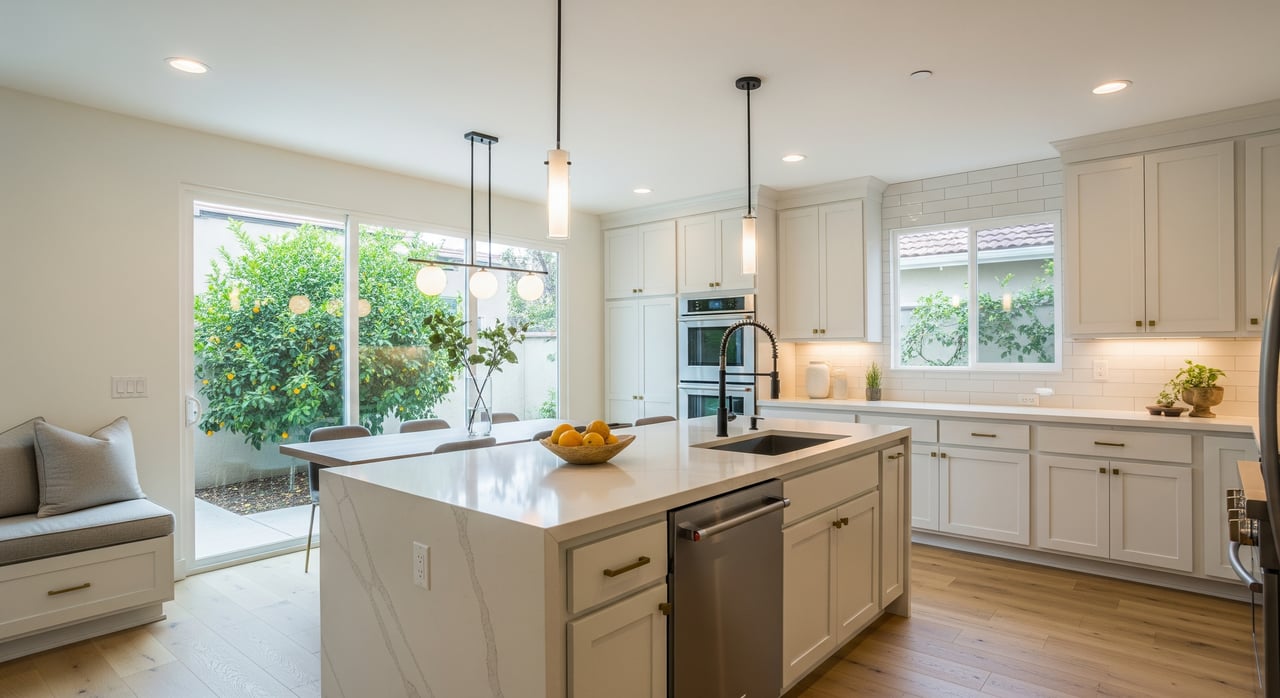
If you want higher rent and shorter vacancies without a full remodel, you are in the right place. In Tustin and greater Orange County, demand stays strong thanks to nearby job hubs, freeway access, and limited supply. That means smart, targeted upgrades can boost your returns faster than you might expect. In this guide, you will learn which projects deliver the best payback in Tustin, what they cost, how to stay compliant with local rules, and how to prioritize your budget. Let’s dive in.
Why Tustin upgrades pay
Tustin sits in the Anaheim–Santa Ana–Irvine area, where many renters are professionals and households who value convenience and modern finishes. Proximity to Irvine job centers, John Wayne Airport, and major freeways helps support steady demand. When you match that demand with the right features and a clean, modern look, you make your unit easier to lease and justify better pricing.
Start with fast wins
Small, high-impact improvements often deliver the best near-term ROI.
- Fresh interior paint and deep cleaning: Low cost, high visual impact. Stick to neutral, durable colors.
- LED lighting and modern hardware: Update light fixtures, cabinet pulls, and faucets for a cleaner, newer feel.
- Minor repairs: Fix squeaks, leaks, and cosmetic wear so the home shows well.
These quick wins reduce days on market and support modest rent increases with minimal downtime.
Flooring that rents
Luxury vinyl plank is a standout in Tustin. It looks modern, handles spills, and lowers turnover costs compared to carpet. Typical installed costs are about 3 to 8 dollars per square foot depending on product and scope. Choose water resistant options in kitchens and baths, and keep the look consistent across living areas to make spaces feel larger.
Kitchen refresh that works
Kitchens influence tenant decisions more than almost any other room. You do not need a full gut job to compete.
- Refinish or paint cabinets, then add new hardware.
- Swap a dated faucet and install bright, efficient LED lighting.
- If needed, choose a durable mid range countertop that resists staining.
A targeted refresh typically runs 2,000 to 10,000 dollars based on scope and unit size. It is often the sweet spot for ROI in mid market rentals.
Add in-unit laundry
In unit laundry is a top request in Orange County and can materially shorten vacancy while supporting higher rent. A stackable washer and dryer with proper hookups and ventilation usually falls in the 2,500 to 8,000 dollar range. If you own a condo or townhome, check HOA rules before you start.
Lighting and hardware
Updated fixtures change the feel of a home during the first showing. Combine warm, bright LED bulbs with simple, modern light fixtures in the entry, kitchen, and bathrooms. Add matching cabinet pulls, doorknobs, and a contemporary faucet for polish. This category can come together for a few hundred to a couple thousand dollars and pays back fast.
Bathroom refresh essentials
You can lift perceived value with a focused bathroom update.
- New vanity with storage, modern faucet, and mirror.
- Regrout or recaulk to make tile look clean and cared for.
- Improve ventilation to reduce moisture issues.
Most refreshes land between 1,500 and 8,000 dollars. Full gut remodels are better suited for premium repositioning.
Energy efficiency moves
Energy wise upgrades attract many renters and can cut operating costs, especially if you pay utilities.
- Smart thermostat for convenience and control.
- LED throughout to reduce energy use and heat.
Consider a high efficiency water heater or a seasonal HVAC tune up as needed. Check available utility rebates and state programs for potential savings, and confirm eligibility for rental properties.
Security and tech convenience
Smart locks, keyless entry, and video doorbells are popular with many renters. Expect roughly 150 to 600 dollars per device. These upgrades can improve the showing experience and reduce key management issues while increasing appeal.
Curb appeal that converts
First impressions matter. In Orange County’s dry climate, low water landscaping and a tidy entry are both practical and attractive.
- Refresh mulch or gravel and trim shrubs.
- Choose drought tolerant plants for long term simplicity.
- Clean exterior paint and wash windows and hardscape.
Simple curb appeal projects often fall between 500 and 5,000 dollars and help maximize traffic when you list.
Bigger bets: HVAC, windows, ADUs
Some projects carry higher costs and longer timelines but can reposition your rental in the market.
- Air conditioning or HVAC upgrade: In warm months, AC can be a deciding amenity. Ductless mini splits are a flexible option in older homes. Budgets often start around a few thousand dollars and rise with scope.
- Window and door replacements: Energy efficient units can improve comfort and reduce noise near busy roads or flight paths. Pricing varies by size and product.
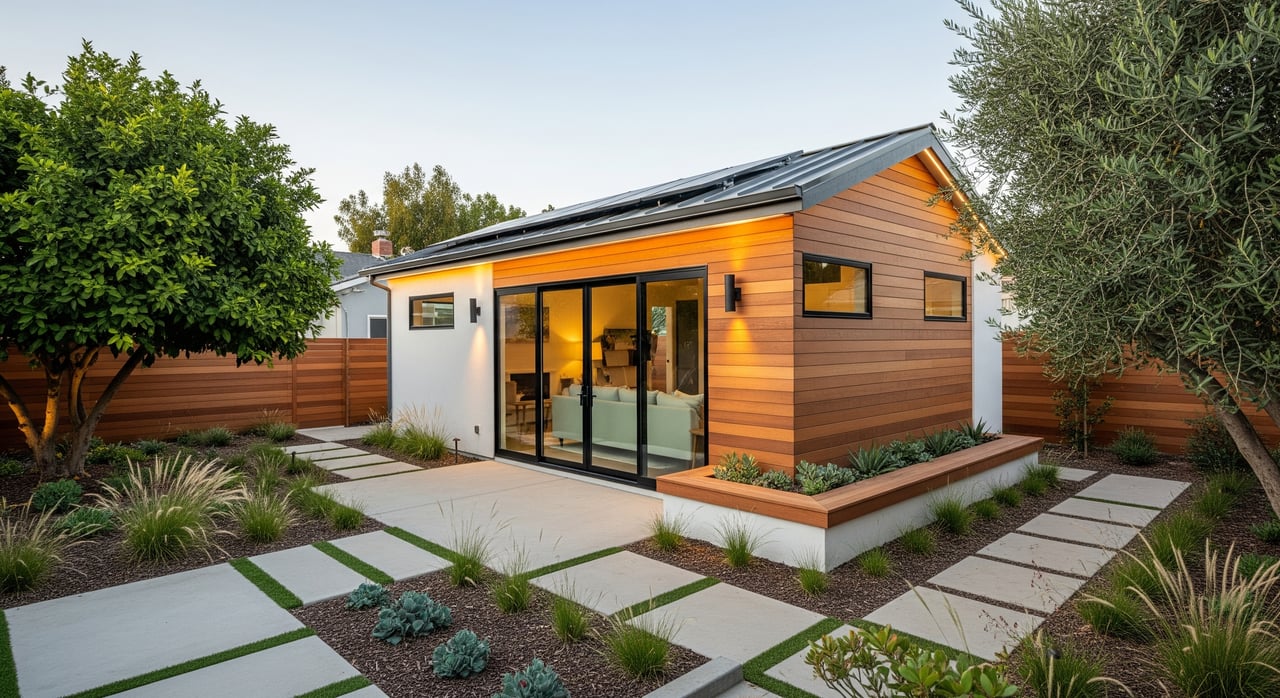
- ADU or garage conversion: An ADU can add meaningful income but requires planning, permits, utility capacity, and capital. Timelines are longer, and costs can run well into six figures. Confirm local standards before advancing design.
Permits and compliance in Tustin
Plan ahead to protect your ROI. Many electrical, plumbing, structural, or mechanical projects will require permits from the City of Tustin. Unpermitted work can lead to fines, forced removal, and problems during resale or refinancing.
- Habitability: California law requires safe, habitable premises. Maintain functioning systems and install working smoke and carbon monoxide detectors.
- Lead disclosure: If the property was built before 1978, follow federal lead based paint disclosure rules.
- AB 1482 rent limits: The statewide law limits annual rent increases for many units, historically set at 5 percent plus local CPI up to a 10 percent cap. Verify whether your property is covered and check the current rules and exemptions.
- ADUs: State law supports ADU creation, while cities apply objective standards. Confirm setbacks, parking, height, and utility rules with the City of Tustin before design.
Document all permitted work and keep copies of approvals for leases, insurance, and future sales.
Financing and incentives
You can spread costs while you improve your property.
- Traditional options: cash out refinance, HELOC, renovation loans, or smaller personal loans for light projects.
- Incentives: Utility rebates from providers like electric and gas companies may be available for efficient appliances, smart thermostats, and HVAC. State or local programs and certain financing options may also apply. Confirm eligibility for investor owned rental properties before you start.
- Taxes: Some energy upgrades and solar may offer federal incentives under specific rules. Consult a qualified tax advisor for rental property treatment.
If you pay utilities, favor energy moves that cut monthly costs. If tenants pay utilities, focus on upgrades that increase rent or reduce vacancy.
Prioritize for ROI
Use a simple scorecard that balances cost, tenant appeal, disruption, permitting, and payback.
Top priority
- Fresh paint, deep cleaning, and minor repairs.
- LED lighting and modern hardware.
- LVP flooring in living areas and bedrooms.
- In unit laundry where feasible.
- Kitchen refresh before a full remodel.
Secondary priority
- Bathroom refresh.
- Smart thermostat and HVAC service.
- Smart locks and video doorbell.
- Curb appeal and drought tolerant landscaping.
Strategic investments
- New AC or major HVAC upgrade.
- Window or door replacement for comfort and noise.
- ADU or garage conversion after a full feasibility check.
Timeline and sequencing
Reduce downtime by grouping work during turnover and tackling low disruption tasks in occupied units.
- Week 1 to 2: Deep clean, paint, lighting, and hardware swaps.
- Week 2 to 3: Flooring installation and minor repairs.
- Week 3 to 5: Kitchen and bath refreshes, laundry hookups.
- Ongoing: Energy and security upgrades with minimal access needs.
For occupied units, consider short access windows and clear communication. A small rent concession for a day or two of work can be cheaper than a vacancy.
Common mistakes to avoid
- Over improving for the tenant pool with luxury finishes that do not increase rent enough to justify cost.
- Skipping permits for work that requires them, which can lead to code issues and future liability.
- Ignoring HOA rules for laundry, HVAC, or exterior changes in condos and townhomes.
- Cutting corners on durability in kitchens and flooring, which raises turnover costs later.
- Failing to document improvements for leasing, insurance, and resale.
When you invest in the right improvements for Tustin, you position your rental to lease faster and at stronger rates, while staying compliant with local and state rules. If you want a property specific plan, comparable rent targets, and a tight upgrade timeline, let’s connect. Book an appointment with Zach Mickelson to build a high ROI upgrade roadmap tailored to your Tustin investment.
FAQs
What upgrades add rent fastest in Tustin?
- Fresh paint, LED lighting and hardware, LVP flooring, a targeted kitchen refresh, and in unit laundry typically reduce vacancy and support modest rent increases quickly.
Do I need permits for rental upgrades in Tustin?
- Many electrical, plumbing, structural, and mechanical projects require permits from the City of Tustin, so confirm requirements before work begins and keep documentation.
How does AB 1482 affect my upgrade plan?
- AB 1482 limits annual rent increases for many units, historically 5 percent plus local CPI up to a 10 percent cap, so verify coverage and plan upgrades for reduced vacancy and long term value.
Are energy rebates available for rental properties?
- Utility and state programs may offer rebates or financing for efficient appliances, smart thermostats, and HVAC, but eligibility varies by program and property type.
Is an ADU worth it in Tustin?
- An ADU can add meaningful rental income, yet it requires significant capital, permits, utilities planning, and time, so confirm local standards and run a full cost and rent analysis before you proceed.